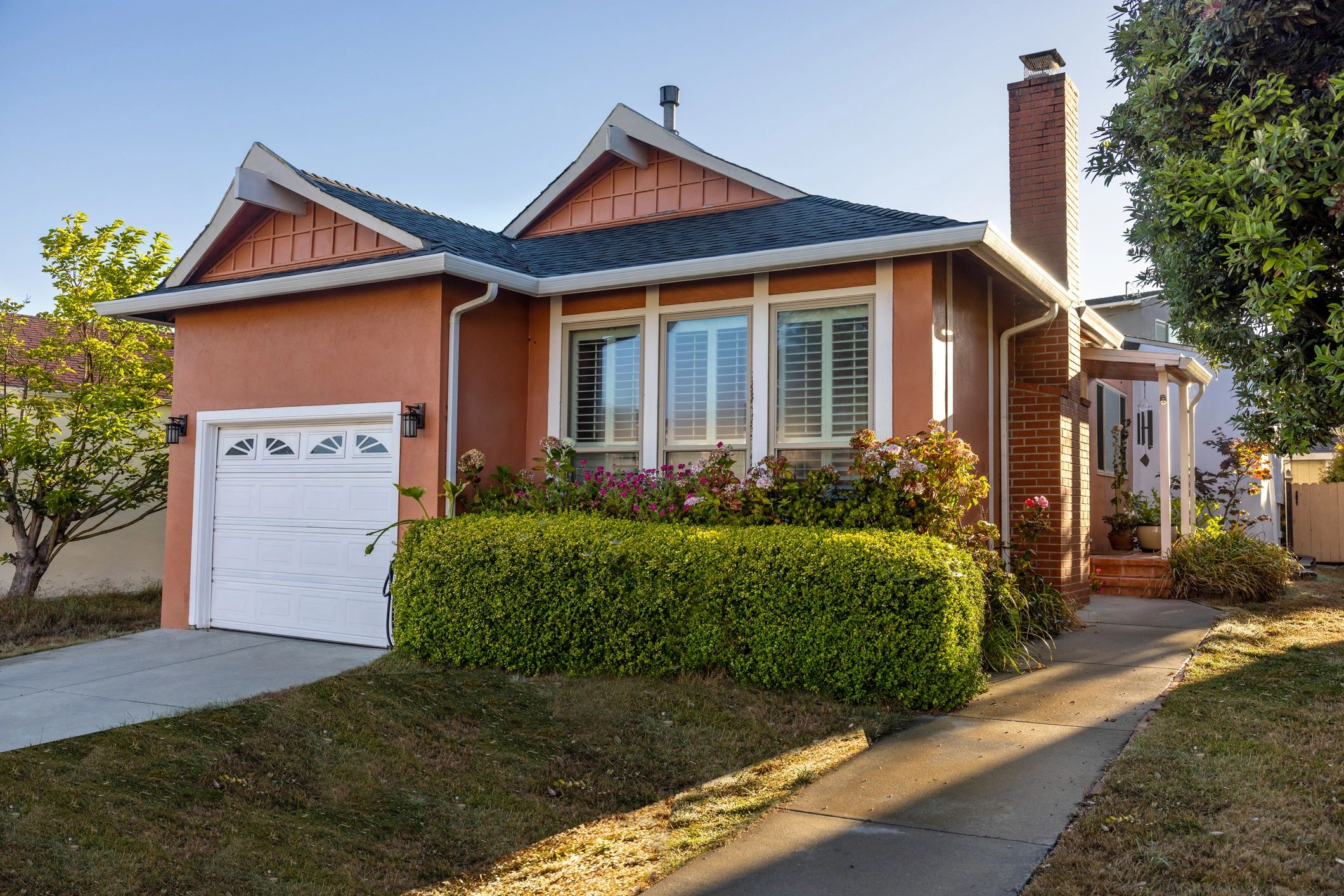
California has some of the strongest tenant protections in the country — and one of the most powerful tools tenants use to fight eviction is the habitability defense. If you are a landlord pursuing an unlawful detainer action, there is a real chance your tenant will respond by claiming the property is uninhabitable, that you failed to make repairs, or that health and safety conditions justify withholding rent.
Understanding how these defenses work — and how to counter them effectively — can be the difference between a successful eviction and a case that drags on for months.
What Is a Habitability Defense?
Under California Civil Code Section 1941, landlords are required to maintain rental properties in a habitable condition. The law specifies minimum standards that every residential rental unit must meet, including:
- Effective waterproofing and weather protection
- Plumbing and gas facilities in good working order
- Water supply capable of producing hot and cold running water
- Heating facilities in good working order
- Electrical lighting and wiring in good working order
- Building and grounds kept clean and free from debris, filth, and vermin
- Adequate trash receptacles
- Floors, stairways, and railings in good repair
When a tenant raises a habitability defense in an unlawful detainer proceeding, they are essentially arguing that the landlord’s failure to maintain these standards excuses their non-payment of rent or justifies withholding rent under California’s “repair and deduct” remedy.
Courts take these defenses seriously. Even minor, easily correctable conditions can be used to delay proceedings and complicate what should be a straightforward eviction.
Why Habitability Defenses Are So Effective — and So Frustrating
The habitability defense is effective for tenants because it shifts the focus of the proceeding. Instead of the court asking “did the tenant pay rent?” it starts asking “was the property habitable?” That is a much more complex question, and it opens the door to delays, continuances, and contested hearings.
What makes it especially frustrating for landlords is that the claimed conditions are often:
Exaggerated. A minor maintenance issue that would cost a few hundred dollars to fix gets characterized as a serious health hazard.
Pre-existing or tenant-caused. The condition was present when the tenant moved in and they never complained, or the tenant themselves caused the damage through neglect or misuse.
Already corrected. The landlord made the repair, but the tenant claims it was inadequate or that other conditions remain.
Not actually a habitability violation. The condition does not meet the legal threshold for a habitability defense under California law.
Without independent professional documentation, landlords are often left arguing their word against the tenant’s — and courts tend to give tenants the benefit of the doubt on habitability questions.
How Professional Documentation Changes the Outcome
The most effective counter to a habitability defense is independent professional documentation from a qualified health and safety consultant. Here is what that looks like in practice.
An independent property condition assessment conducted by a licensed safety consultant provides an objective, third-party evaluation of the property’s actual condition. Unlike a landlord’s self-report or a contractor’s estimate, a professional assessment carries evidentiary weight in court.
The assessment documents:
- The actual condition of every area of the property, with photographs
- Whether any identified conditions meet the legal threshold for a habitability violation under California Civil Code Section 1941
- The likely cause of any identified conditions — distinguishing between landlord maintenance obligations and tenant-caused damage
- Whether claimed conditions were present at the time of the tenant’s complaint or were created afterward
An expert declaration prepared from the assessment findings is a signed professional statement suitable for filing in the unlawful detainer proceeding. It gives the court a qualified expert’s opinion on the property’s condition — not just the landlord’s word.
Expert witness testimony at the hearing, if needed, allows the consultant to explain the findings to the judge and respond to the tenant’s claims directly.
The Tenant-Caused Damage Problem
One of the most common scenarios we see is a tenant who has caused damage to the property — through neglect, misuse, or intentional acts — and then raises that damage as a habitability defense when the landlord initiates eviction proceedings.
This is particularly common with:
- Mold resulting from the tenant’s failure to ventilate bathrooms or report water leaks
- Pest infestations caused by unsanitary living conditions
- Plumbing damage from improper use or disposal
- Structural damage from unauthorized modifications
A professional assessment can document the cause of these conditions — establishing that they resulted from tenant conduct, not landlord neglect. This is critical evidence that can defeat a habitability defense entirely.
What to Do Before You File for Eviction
If you are preparing to file an unlawful detainer action and you anticipate a habitability defense, the best time to get a professional assessment is before you file — not after the tenant raises the defense.
A pre-filing assessment gives you:
- Documentation of the property’s condition at the time of filing
- Evidence that any claimed conditions were either not present, were tenant-caused, or were already corrected
- A professional report you can attach to your court filings from the start
This proactive approach is far more effective than scrambling to respond to a habitability defense after it has been raised.
The Licensed Nurse Advantage
McNeil Safety Consulting has a Licensed Nurse on staff — a credential that matters in habitability cases involving health claims. When tenants claim that property conditions have caused or worsened health problems (respiratory issues, allergies, skin conditions), our Licensed Nurse can assess those claims from a clinical perspective and provide expert opinion on whether the claimed conditions are medically consistent with the alleged exposure.
This is a level of expertise that no standard home inspector or general contractor can provide.
How Quickly Can You Get an Assessment?
We understand that eviction timelines are tight. We can typically schedule an on-site assessment within 2–5 working days and deliver a written report within 3–5 working days of the inspection.
For urgent matters — including cases with imminent court dates — call us directly at (626) 546-9384 to discuss expedited service.
Key Takeaways for California Landlords
- Habitability defenses are common in California unlawful detainer proceedings and can significantly delay eviction.
- Independent professional documentation is the most effective counter to a habitability defense.
- The best time to get an assessment is before you file — not after the tenant raises the defense.
- Tenant-caused conditions can be documented and used to defeat habitability claims.
- A Licensed Nurse on staff provides clinical expertise on health-related habitability claims that no other safety consulting company in the region can match.
Call McNeil Safety Consulting at (626) 546-9384 to schedule a property assessment before your next eviction filing.
McNeil Safety Consulting provides property condition assessments and expert declarations for California landlords navigating eviction proceedings. We also offer property health and safety assessments for mold, lead, asbestos, and habitability evaluations. Learn more about our Landlord Eviction Support services.
Explore Topics
# landlord eviction support # habitability defense # unlawful detainer # California landlord # property assessment
M
Written by
Michael McNeil
Content creator and writer sharing insights and stories.