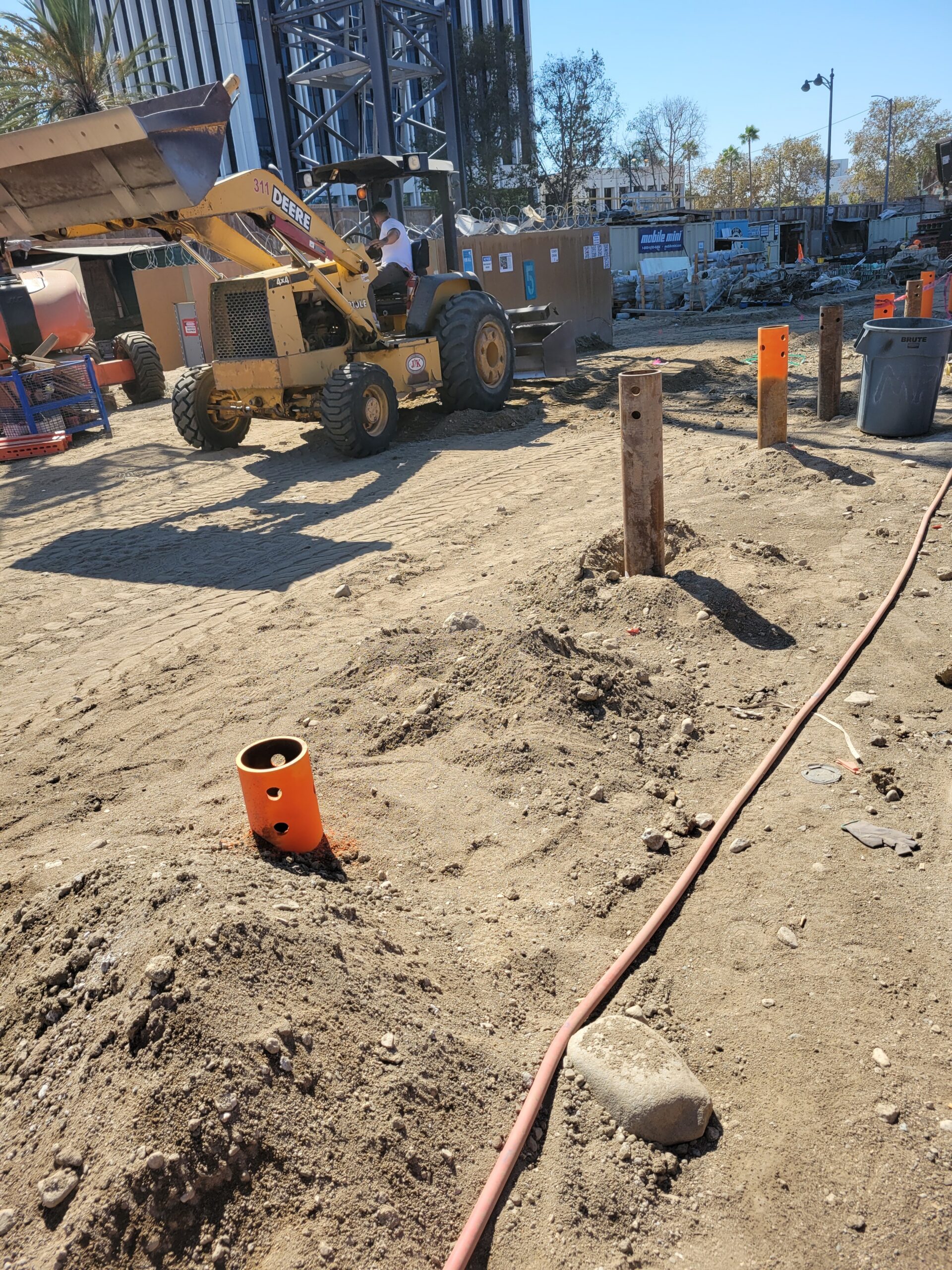
California has the most stringent heat illness prevention regulations in the country — and Cal/OSHA enforces them aggressively, particularly during summer months. If your employees work outdoors or in indoor environments without adequate climate control, you are required to have a written Heat Illness Prevention Plan and the physical controls to back it up. Failing to comply isn’t just a citation risk — it can result in a worker’s death and a serious citation carrying penalties well into five figures.
Who Is Covered Under California’s Heat Illness Prevention Standard
Title 8, Section 3395 applies to all outdoor places of employment. That includes construction sites, agricultural operations, landscaping crews, utility workers, delivery drivers who spend significant time outdoors, and any other workers regularly exposed to outdoor heat. A separate indoor heat illness standard (Section 3396) covers workers in warehouses, commercial kitchens, laundries, and other high-heat indoor environments.
If you’re unsure whether your operation falls under one or both standards, the answer is almost certainly yes — and the cost of assuming otherwise is far higher than the cost of compliance.
The Four Core Requirements
Cal/OSHA’s outdoor heat standard is built around four pillars:
1. Water. Employers must provide fresh, pure, suitably cool drinking water — at least one quart per employee per hour. The water must be located as close as practicable to where employees are working. Telling workers to bring their own water does not satisfy this requirement.
2. Shade. When the temperature reaches 80°F or higher, shade must be available and accessible at all times. Shade structures must be large enough to accommodate all employees on a rest or recovery period at the same time. “Available upon request” is not sufficient — it must be open and accessible without employees having to ask.
3. Rest periods. Employees must be allowed and encouraged to take a cool-down rest in the shade for at least five minutes when they feel the need to do so to protect themselves from overheating. These are not optional breaks — they are a regulatory requirement.
4. Emergency response. You must have a written procedure for responding to a heat illness emergency, including how to contact emergency medical services and how to provide first aid while waiting for help to arrive. All supervisors must be trained on this procedure before they supervise workers in heat conditions.
The Written Heat Illness Prevention Plan
Your written plan must be in English and in the language understood by the majority of your employees. It must be made available at the worksite and must cover:
- Procedures for providing water and shade
- High-heat procedures (for temperatures at or above 95°F)
- Emergency response procedures
- Acclimatization procedures for new and returning employees
The acclimatization requirement is one of the most commonly overlooked. New employees and employees returning from an absence of more than seven days must be closely observed during their first 14 days of work in heat conditions. The first two weeks are when heat illness risk is highest, and Cal/OSHA inspectors know to ask about this.
High-Heat Procedures: The 95°F Threshold
When temperatures reach or are expected to reach 95°F, additional requirements kick in. Employers must:
- Ensure that effective communication is maintained so employees can contact a supervisor or emergency services
- Observe employees for signs of heat illness
- Remind employees throughout the shift to drink water
- Hold a pre-shift meeting to review heat illness prevention procedures
These high-heat procedures are not optional add-ons — they are a distinct set of requirements that apply on top of the baseline standard.
Common Violations Cal/OSHA Cites
In my experience working with California employers, the most frequently cited violations under Section 3395 are:
- No written Heat Illness Prevention Plan, or a plan that exists on paper but hasn’t been communicated to supervisors
- Shade that is technically present but not accessible (locked, too far from the work area, or too small)
- Failure to document acclimatization procedures for new employees
- Supervisors who have not been trained on emergency response
- Water that is not cool or not located close enough to the work area
Each of these is a citable violation. Serious violations — those with a realistic possibility of causing death or serious physical harm — carry penalties starting at $18,000 per violation under current Cal/OSHA penalty schedules.
What to Do Before the Next Inspection
If you haven’t reviewed your Heat Illness Prevention Plan this season, now is the time. Walk your worksite with your supervisors and verify that water, shade, and rest procedures are actually being followed — not just documented. Train any supervisors who haven’t received heat illness prevention training. And make sure your emergency response procedure is posted and understood.
If you don’t have a written plan, or if you’re not confident your current plan meets the current regulatory requirements, McNeil Safety Consulting can review your program, identify gaps, and help you get into compliance before Cal/OSHA shows up. Call us at (626) 546-9384 to schedule a consultation.
M
Written by
Michael McNeil
Content creator and writer sharing insights and stories.
Related Posts
What to Expect During a Cal/OSHA Inspection
A Cal/OSHA inspector just walked through your door. Here is exactly what happens next — and how to protect your business at every stage of the process.
Jun 7, 2026 • 5 min read • Michael McNeil, McNeil Safety Consulting
# Cal/OSHA # OSHA inspection # workplace safety