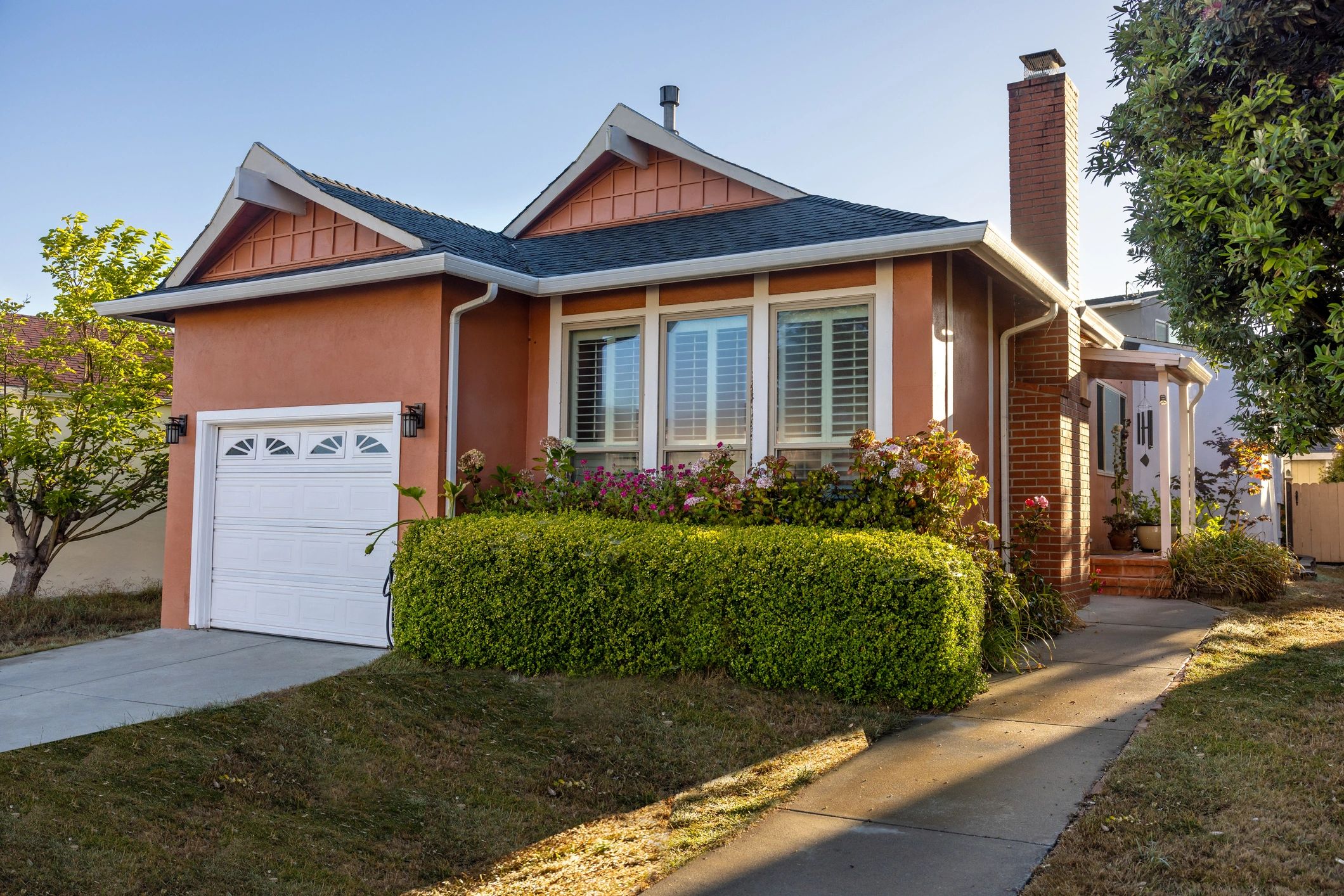
After a wildfire passes through a California community, the visible damage — charred structures, burned landscaping, blackened walls — is only part of the story. The invisible contamination left behind by wildfire ash, soot, and smoke is often more dangerous and far more persistent than most property owners realize.
If your property was in or near a wildfire burn zone, here is what you need to know before you re-enter, clean up, or sell.
Why Wildfire Ash Is More Dangerous Than It Looks
Wildfire ash is not like fireplace ash. When a wildfire burns through a residential or commercial area, it consumes everything in its path — buildings, vehicles, landscaping, household chemicals, electronics, treated lumber, plastics, and more. The ash that settles on your property is a complex mixture of combustion byproducts from all of those materials.
Laboratory analysis of wildfire ash from California fires has consistently found elevated levels of:
Heavy metals — Lead, arsenic, mercury, cadmium, and chromium from burned building materials, paints, electronics, and treated wood. These metals do not break down and can persist in soil and on surfaces for years.
Asbestos fibers — Many older California homes and commercial buildings contain asbestos in roofing, insulation, floor tiles, and pipe wrap. When these materials burn, asbestos fibers are released and can settle on surrounding properties — even properties that did not burn.
Polycyclic aromatic hydrocarbons (PAHs) — Carcinogenic compounds produced by incomplete combustion of organic materials. PAHs are found in virtually all wildfire ash and can penetrate porous surfaces.
Dioxins and furans — Highly toxic compounds produced when plastics, treated wood, and other synthetic materials burn. These compounds are persistent in the environment and bioaccumulate in the food chain.
Volatile organic compounds (VOCs) — Many VOCs off-gas from ash and smoke-damaged materials for weeks or months after a fire, affecting indoor air quality in structures that were not directly burned.
The health risks from exposure to these contaminants include respiratory damage, skin and eye irritation, neurological effects from heavy metal exposure, and increased cancer risk from carcinogenic compounds.
Properties That Did Not Burn Are Not Necessarily Safe
One of the most common misconceptions after a wildfire is that only properties that burned are contaminated. This is not true.
Ash and smoke particles travel significant distances from the burn perimeter. Properties located miles from the fire line can receive substantial ash deposition, particularly downwind of the burn area. Indoor air quality in structures that were not directly affected can be severely compromised by smoke infiltration through HVAC systems, gaps in building envelopes, and open windows.
In major California wildfires, we have documented significant contamination at properties located 5–10 miles from the burn perimeter. If your property was in the smoke plume — even briefly — it warrants assessment.
What a Post-Wildfire Assessment Covers
A professional post-wildfire contamination assessment is not the same as a standard home inspection or a general cleanup evaluation. It is a technical environmental and health assessment that addresses the specific hazards created by wildfire combustion.
A comprehensive assessment includes:
Visual inspection and documentation — Systematic inspection of all areas of the property, including interior spaces, HVAC systems, attic spaces, crawlspaces, and exterior surfaces. Photographic documentation of all conditions.
Ash and surface sampling — Collection of ash and surface wipe samples from representative locations throughout the property. Samples are analyzed by an accredited laboratory for heavy metals, asbestos, PAHs, and other contaminants of concern.
Indoor air quality testing — Measurement of airborne particulates, VOCs, and other contaminants in interior spaces. HVAC system assessment to determine whether the system has been compromised and whether it is distributing contaminants throughout the structure.
Soil sampling — For properties with gardens, landscaping, or areas where children play, soil sampling identifies contamination that may affect long-term use of outdoor spaces.
Written assessment report — A comprehensive report documenting all findings, comparing results to applicable health-based screening levels, and providing specific recommendations for remediation, HVAC cleaning, and re-occupancy.
HVAC Systems: The Hidden Contamination Pathway
One of the most important — and most overlooked — aspects of post-wildfire assessment is the HVAC system. During a wildfire event, HVAC systems that are operating draw smoke and ash-laden air into the building and distribute it throughout every room. Even systems that were turned off during the fire can have contaminated filters, ductwork, and coils.
A contaminated HVAC system will continue to distribute particulates and VOCs throughout the building every time it operates — potentially for months after the fire. Before re-occupying any structure that was in a wildfire smoke zone, the HVAC system should be assessed and, if contaminated, professionally cleaned or replaced.
When to Order a Post-Wildfire Assessment
Before re-occupancy. If your property was in or near a wildfire burn zone, a professional assessment before re-occupancy protects the health of occupants and documents the property’s condition.
Before purchase or sale. Wildfire contamination is a material fact that must be disclosed in California real estate transactions. Buyers should order an assessment before closing on any property in a wildfire-affected area. Sellers benefit from a clean assessment report that documents the property’s condition.
For insurance claims. A professional assessment report documenting contamination type, extent, and remediation requirements provides the technical basis for an insurance claim. Without professional documentation, insurers may dispute the scope of contamination and the cost of remediation.
After cleanup. A post-remediation clearance assessment verifies that cleanup was effective and that the property meets health-based standards for re-occupancy. This documentation protects property owners from future liability.
California’s Wildfire Risk Is Not Going Away
California has experienced some of the most destructive wildfires in recorded history over the past decade, and the trend is not improving. The combination of drought, heat, and an expanding wildland-urban interface means that more California properties are at risk of wildfire impact than ever before.
For property owners, real estate professionals, and insurers operating in California, understanding post-wildfire contamination and having access to qualified assessment professionals is no longer optional — it is a basic requirement of responsible property management.
McNeil Safety Consulting’s Wildfire Assessment Services
McNeil Safety Consulting provides post-wildfire contamination assessments for residential and commercial properties throughout California. Our assessments are conducted by experienced occupational health and safety professionals, with laboratory analysis by accredited environmental testing laboratories.
We serve property owners, real estate professionals, insurers, property managers, and legal counsel throughout California — including the greater Los Angeles area, Orange County, San Bernardino County, Riverside County, and the Central Valley.
Call (626) 546-9384 to schedule a post-wildfire assessment or to discuss your property’s specific situation.
McNeil Safety Consulting provides post-wildfire contamination assessments, indoor air quality testing, and environmental health consulting throughout California. Learn more about our Wildfire Contamination Assessment services.
Explore Topics
# wildfire assessment # post-wildfire property testing # ash contamination # California wildfire # environmental assessment
M
Written by
Michael McNeil
Content creator and writer sharing insights and stories.