
Table of Contents
- Understanding Cal/OSHA Citations and Your Response Deadline
- Step 1: Review the Citation and Identify Violation Types
- Step 2: Gather Evidence and Documentation
- Step 3: Decide Your Response Strategy
- Why Hire a Consultant for Cal/OSHA Appeals
- Requesting an Informal Conference with Cal/OSHA
- Cal/OSHA Appeals Process Timeline and Next Steps
- Post-Citation Abatement and Compliance Steps
Last Updated: August 30, 2026
Understanding Cal/OSHA Citations and Your Response Deadline
A Cal/OSHA citation is an official notice of violation issued when a workplace inspection uncovers safety or health hazards. Receiving one doesn’t mean your company is automatically liable, it means you have a defined legal window to respond, gather evidence, and decide your next move. The 15 working-day response deadline is firm, and how you respond during this period can significantly affect the outcome of your case.
The most common mistake is waiting until day 14 to start. Companies that move quickly, within 48 hours of receiving the citation, have time to gather complete evidence, consult with specialists if needed, and make a deliberate decision about whether to accept, contest, or request an informal conference.
What the Notice of Civil Penalty Contains
The Notice of Civil Penalty identifies the specific OSHA standard allegedly violated, describes the hazard observed, assigns a preliminary penalty amount, and lists the violation classification (willful, serious, or general). It also specifies the worksite and your exact response deadline.
This document is not a bill, it’s an invitation to present your side of the story. The penalty amount and violation classification can change based on your response and supporting evidence. The notice clearly states your three options: accept the citation and penalty, contest the citation, or request an informal conference to discuss penalty reduction.
The 15-Working-Day Response Window
The 15-working-day deadline excludes weekends and state holidays and is non-negotiable. Missing this deadline means you forfeit your right to contest the citation, and the violation becomes final by operation of law.
Before day 15 ends, submit a written response indicating whether you accept, contest, or request an informal conference. Email, certified mail, and hand delivery are all acceptable. Keep proof of submission, a confirmation email or delivery receipt, because the burden is on you to prove timely filing.
Step 1: Review the Citation and Identify Violation Types
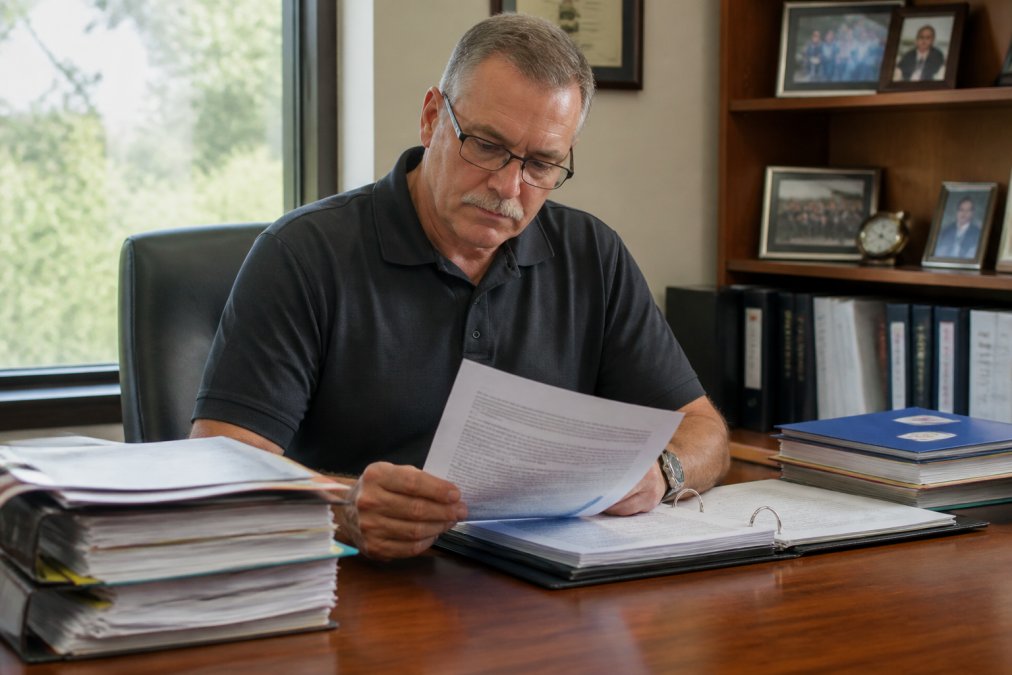
Your first task is to understand exactly what violation was cited and how it’s classified. The classification determines your strategy. Read the citation front to back, highlight the specific OSHA standard number, the hazard description, and the classification.
Willful, Serious, and General Violations Explained
A willful violation is the most serious classification. Cal/OSHA uses this when it believes your company knew of the hazard or knew the law applied and deliberately chose not to comply. Willful violations carry the highest penalties. If the citation claims willfulness, contest it carefully.
A serious violation means the hazard could cause serious physical harm or death, but the violation was not willful. This is the most common classification. Many serious violations can be successfully contested if you can demonstrate that the hazard was not reasonably foreseeable or that your safety program addressed the issue.
A general violation is the least serious and involves a hazard unlikely to cause serious injury or death. Penalties are correspondingly lower. Many general violations are accepted because contesting them costs more than the penalty itself.
Step 2: Gather Evidence and Documentation
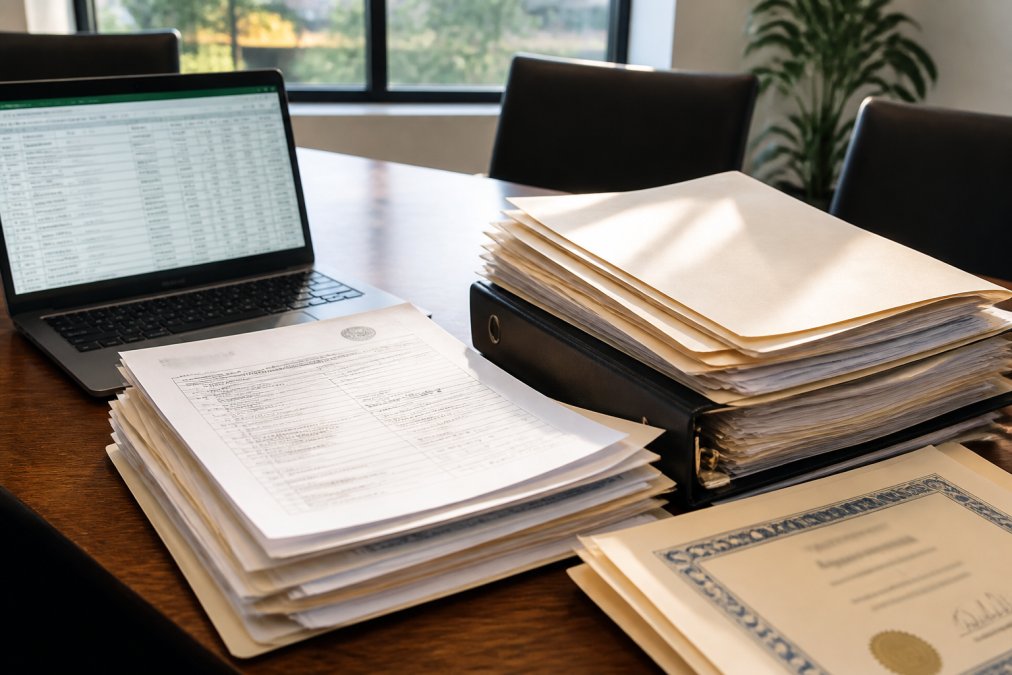
Once you understand the citation, immediately gather all evidence related to the alleged violation: inspection reports, maintenance records, training logs, safety program documentation, and any communications with the compliance officer. Create a dedicated folder for all citation-related materials.
What Records to Preserve Immediately
Preserve your inspection notes exactly as they were. Do not alter or annotate them. These are evidence of what the officer observed and are critical in contesting a citation.
Preserve training records. If the citation involves a failure to train, gather certificates of completion, sign-in sheets, and any safety bulletins you distributed. This directly counters willful or serious violation claims.
Preserve maintenance and inspection logs. If the citation involves equipment or facility conditions, gather all records showing when equipment was last serviced, inspected, or repaired. These records demonstrate due diligence.
Preserve corrective action documentation. If you’ve already fixed the hazard, photograph the corrected condition and date the photos. Demonstrating rapid abatement is viewed favorably by Cal/OSHA and can lead to penalty reduction.
Preserve communications with employees. If employees reported the hazard before the inspection or if you issued safety alerts, keep these records.
Step 3: Decide Your Response Strategy
After reviewing the citation and gathering evidence, you face three choices: accept the citation and penalty, contest the citation entirely, or request an informal conference to negotiate penalty reduction.
Accept, Contest, or Request an Informal Conference
Accept the citation if the violation is clear-cut, the penalty is modest, and your resources are limited. Acceptance is final and appropriate when fighting would cost more than the penalty.
Contest the citation if you believe the violation did not occur, the OSHA standard does not apply, or the classification is incorrect. Contesting triggers a formal appeal process before an administrative law judge. This path is appropriate when you have strong evidence or when the penalty is substantial enough to justify the cost of defense.
Request an informal conference if you believe the violation occurred but the penalty is too high, or if you want to present evidence that might reduce the classification or penalty without a full hearing. Many citations are resolved this way with reduced penalties.
Why Hire a Consultant for Cal/OSHA Appeals
Responding to a Cal/OSHA citation without specialist guidance is risky. The regulatory language is complex, deadlines are strict, and a single misstep can cost thousands in penalties or lost appeal rights.
A consultant with Cal/OSHA experience understands how compliance officers interpret standards, what evidence Cal/OSHA values in informal conferences, and how administrative law judges typically rule. They can identify technical defenses and determine which violations are worth contesting.
McNeil Safety Consulting has guided employers through Cal/OSHA responses across California and the Western US. The company combines citation defense expertise with industrial hygiene and occupational health knowledge, allowing evaluation of both the legal merits and technical accuracy of the compliance officer’s findings. A consultant also manages the timeline, ensures your response is filed correctly, coordinates evidence gathering, and presents your case clearly, allowing your management team to focus on operations.
Requesting an Informal Conference with Cal/OSHA
An informal conference is a meeting between you (or your representative) and a Cal/OSHA supervisor or manager, not the compliance officer who issued the citation. The purpose is to discuss the facts, present evidence, and negotiate a resolution. Informal conferences frequently result in penalty reductions.
How to Request and Prepare for the Conference
Request an informal conference in writing within your 15-working-day response window. Your request should state that you are requesting an informal conference and briefly explain why. File your request with the same office that issued the citation, including the citation number, date, and your company contact information. Email or certified mail are both acceptable.
Once Cal/OSHA receives your request, they will schedule the conference within 5 to 15 working days. Prepare your case before the conference by organizing evidence into a clear narrative: What was the hazard? When did you become aware of it? What steps did you take to address it? Bring copies of all supporting documentation organized in a binder with tabs and page numbers.
What to Bring and How to Present Your Case
Bring a representative from your company with direct knowledge of the worksite and the hazard in question, your safety manager, operations director, or site supervisor. Their firsthand account carries weight.
During the conference, present your case calmly and factually. Start with context: your company’s safety program, your commitment to compliance, and any prior positive history with Cal/OSHA. Then address the specific violation. Focus on mitigating factors: your company’s good safety record, swift corrective action, employee training, or evidence that the hazard was not reasonably foreseeable.
Listen to the Cal/OSHA representative’s perspective and be prepared to answer questions directly. At the end of the conference, the representative will typically indicate whether they’re willing to reduce the penalty. You’ll receive written notice of the outcome within 5 to 10 working days.
Cal/OSHA Appeals Process Timeline and Next Steps
If you contest the citation or if an informal conference does not result in a satisfactory resolution, your case enters the formal appeals process. This involves filing a Notice of Contest with the Occupational Safety and Health Appeals Board, followed by a hearing before an administrative law judge. The appeals process typically takes 6 to 12 months.
Filing a Notice of Contest with the Occupational Safety and Health Appeals Board
To formally contest a citation, file a Notice of Contest with the Occupational Safety and Health Appeals Board within your 15-working-day response window. A simple statement like "I hereby contest the citation issued on [date] for the alleged violation of [standard number]" is sufficient.
File by email, certified mail, or hand delivery to the Appeals Board office. Include your company name, the citation number, the date issued, and your contact information. Keep a copy and proof of filing.
Once the Appeals Board receives your Notice of Contest, the case is assigned a docket number and placed on the hearing calendar. You’ll receive written acknowledgment and notification of next steps.
Administrative Law Judge Review and Hearing
Before a hearing, there is usually a pre-hearing conference where you and Cal/OSHA exchange documents and attempt to narrow the scope of dispute. Many cases are resolved at this stage.
If the case does not settle, it proceeds to a hearing before an administrative law judge. You’ll present your evidence, call witnesses if needed, and argue why the citation should be dismissed or modified. Cal/OSHA will present their evidence and argument. The judge will then issue a written decision, which is binding unless appealed.
Post-Citation Abatement and Compliance Steps
Regardless of whether you accept, contest, or negotiate your citation, you must correct the hazard by the abatement date specified in the citation. Abatement is non-negotiable. Begin work immediately, even while your response or appeal is pending.
Document every step: photographs of the hazard before correction, receipts for materials or repairs, dates of work completion, and photographs of the corrected condition. If abatement involves training, document who was trained, when, and what was covered.
Once abatement is complete, submit an abatement certification to Cal/OSHA by the deadline, including photographs and documentation showing the hazard has been corrected. Cal/OSHA may conduct a follow-up inspection to verify abatement.
Use the citation as a catalyst for broader safety improvements. Review your safety program to identify similar hazards, conduct training on the violated standard, and update your hazard assessment procedures.
Facing a Cal/OSHA citation with a 15-day deadline creates real pressure, but it’s manageable if you move quickly and strategically. McNeil Safety Consulting specializes in Cal/OSHA citation defense and appeals across California and the Western US. We handle the response timeline, evidence organization, and regulatory strategy so your team can focus on operations. Our approach combines regulatory expertise with occupational health and industrial hygiene knowledge, meaning we evaluate both the legal merits and technical accuracy of the compliance officer’s findings. Contact us to discuss your citation and your options.
Frequently Asked Questions
Q: What happens if I miss the 15-day deadline to respond to a Cal/OSHA citation?
A: Missing the 15-working-day deadline means you forfeit your right to contest the citation. The violation becomes final, penalties are assessed, and you lose the opportunity to request an informal conference or file a Notice of Contest with the Occupational Safety and Health Appeals Board. The citation then becomes a permanent part of your compliance record, which can affect future inspections and regulatory standing.
Q: Why hire a consultant for Cal/OSHA appeals instead of handling it internally?
A: Cal/OSHA citation defense requires knowledge of regulatory compliance, penalty assessment criteria, and appeals procedures that most HR and operations teams lack. A specialized consultant brings expertise in industrial hygiene, violation classification, evidence preservation, and negotiation strategy. They can identify weaknesses in the citation, prepare a defensible response, and represent you in informal conferences and appeals, significantly improving your chances of penalty reduction or dismissal.
Q: Can I request an informal conference to discuss the citation before deciding whether to contest it?
A: Yes. An informal conference with Cal/OSHA is a valuable option that allows you to discuss the citation with a compliance officer in a non-adversarial setting. You can present evidence, clarify facts, and potentially negotiate penalty reductions or violation classification changes. This must be requested within the 15-working-day response window and can help you decide whether formal appeal is necessary.
Q: What is the Cal/OSHA appeals process timeline after I file a Notice of Contest?
A: After filing a Notice of Contest, your case goes to the Occupational Safety and Health Appeals Board. The timeline varies but typically includes a mandatory settlement conference, discovery period, and administrative law judge hearing. Most cases take 6 to 12 months from Notice of Contest to final decision, though complex cases may take longer. Early intervention by a consultant can help expedite resolution.