When most California employers think about workplace safety consulting, they think about regulatory compliance — OSHA standards, written programs, training records, inspection readiness. Those things matter. But they represent only half of what a truly effective occupational health and safety program does.
The other half is health. And health is where most safety consultants stop short.
The Gap Between Safety Compliance and Occupational Health
Cal/OSHA compliance focuses on hazard identification and control — identifying conditions that could cause injury or illness and implementing measures to prevent them. That is essential work. But compliance-focused safety programs often miss the clinical dimension of occupational health: understanding how workplace exposures actually affect the human body, recognizing early signs of occupational illness, and connecting workplace conditions to health outcomes in ways that regulatory standards alone cannot capture.
This gap has real consequences for employers.
A safety consultant who identifies elevated noise levels in a manufacturing facility can recommend hearing protection and document compliance with Cal/OSHA’s noise standard. But a Licensed Nurse can also assess whether workers are showing early signs of noise-induced hearing loss, recommend audiometric testing, evaluate whether existing hearing protection is being used correctly and fits properly, and identify workers who may need medical referral. That is a fundamentally different level of service — and it produces better outcomes for both workers and employers.
What a Licensed Nurse Brings to Occupational Safety
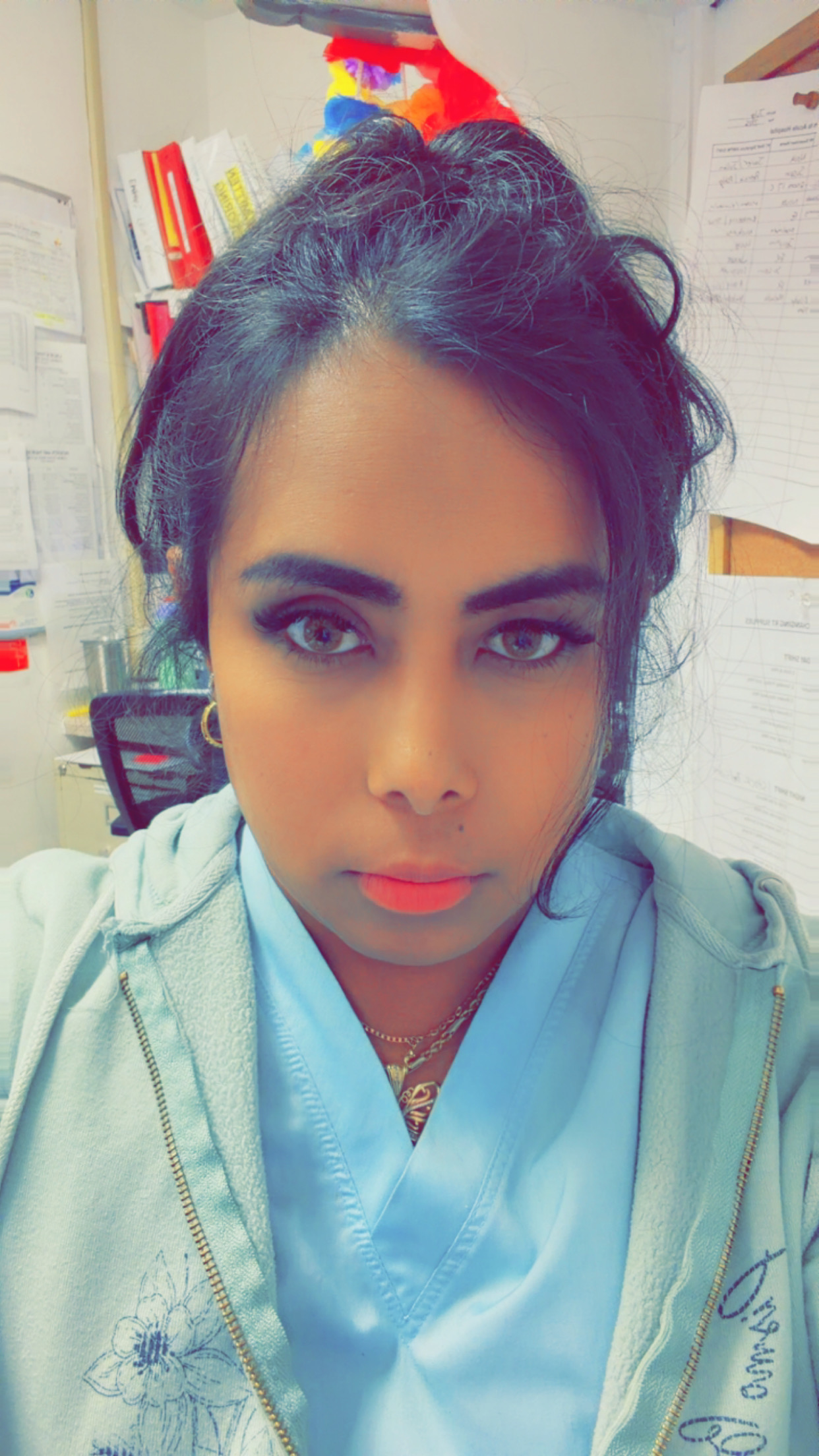
At McNeil Safety Consulting, that nurse is Zennin Sedacey-McNeil, LVN (VN 741259), a California Licensed Vocational Nurse certified in IV Therapy/Blood Withdrawal (IV), Infection Preventionist (IP), Treatment Nurse (TX), and Director of Staff Development (DSD). Those credentials are what allow the firm to run medical surveillance, infection control, and staff training programs in-house rather than referring them out.
Occupational health nursing is a specialized field that sits at the intersection of clinical medicine and workplace safety. A Licensed Nurse with occupational health expertise brings capabilities to a safety program that no safety-only consultant can replicate.
Clinical assessment of health effects. When workers report symptoms that may be related to workplace exposures — respiratory irritation, skin conditions, headaches, fatigue — a Licensed Nurse can conduct a clinical assessment, evaluate the plausibility of an occupational cause, and recommend appropriate medical follow-up. This is not something a safety consultant without clinical training can do.
Occupational illness recognition. Many occupational illnesses develop gradually and are easy to miss until they become serious. A Licensed Nurse knows what early-stage occupational illness looks like — the early signs of chemical sensitization, the symptoms of heat illness before it becomes heat stroke, the respiratory changes that precede occupational asthma. Early recognition means earlier intervention and better outcomes.
Medical surveillance program design. Many Cal/OSHA standards require medical surveillance for workers exposed to specific hazards — lead, asbestos, noise, hexavalent chromium, and others. A Licensed Nurse can design and oversee these programs, ensuring they meet regulatory requirements and actually serve their intended purpose of protecting worker health.
Infection control expertise. In healthcare settings, food service, childcare, and other environments where infection control is a regulatory requirement, a Licensed Nurse brings clinical expertise that safety-only consultants simply do not have. Cal/OSHA’s Aerosol Transmissible Diseases standard (Section 5199) and Bloodborne Pathogens standard (Section 5193) require infection control programs that are grounded in clinical practice — not just regulatory compliance.
Workers’ compensation support. When a workplace injury or illness occurs, a Licensed Nurse can provide clinical perspective on the nature and cause of the condition, the appropriateness of medical treatment, and the worker’s fitness to return to work. This expertise can be valuable in managing workers’ compensation claims and preventing unnecessary costs.
Why This Matters for Cal/OSHA Compliance
Cal/OSHA’s standards are increasingly sophisticated in their health requirements. The agency has moved well beyond simple hazard control toward standards that require employers to understand and address the health effects of workplace exposures.
The Heat Illness Prevention standard (Section 3395) requires employers to understand the physiological effects of heat stress and implement prevention measures based on those effects. The Injury and Illness Prevention Program standard (Section 3203) requires employers to investigate workplace injuries and illnesses and implement corrective measures — which requires understanding the health dimension of workplace incidents, not just the safety dimension.
A safety program that is built around regulatory compliance without clinical health expertise is increasingly incomplete under California’s regulatory framework.
The Unique Value for Specific Industries
Some industries benefit particularly from having a Licensed Nurse involved in their safety program.
Healthcare and skilled nursing facilities. Cal/OSHA’s infection control requirements for healthcare settings are among the most demanding in the state. A Licensed Nurse who understands both the regulatory requirements and the clinical realities of infection control in healthcare settings is essential for these employers.
Film and television production. Production environments involve a wide range of health hazards — chemical exposures from set construction and special effects, ergonomic hazards from equipment handling, heat and cold stress from outdoor locations, and the unique health challenges of long production days. A Licensed Nurse can assess these hazards from a clinical perspective and develop health-protective measures that go beyond standard safety compliance.
Manufacturing and industrial facilities. Chemical exposures, noise, heat, and ergonomic hazards are common in manufacturing environments. Medical surveillance programs, biological monitoring, and clinical assessment of worker health are all areas where a Licensed Nurse adds value that safety-only consultants cannot provide.
Real estate and property management. Property health assessments — for mold, lead, asbestos, and indoor air quality — benefit from clinical expertise in assessing the health implications of identified conditions for occupants, particularly those with respiratory conditions or compromised immune systems.
What This Looks Like in Practice
At McNeil Safety Consulting, our Licensed Nurse is integrated into every aspect of our occupational health and safety services — not as an add-on, but as a core part of how we assess hazards, develop programs, and support our clients.
When we conduct an industrial hygiene assessment, our Licensed Nurse contributes clinical perspective on the health effects of identified exposures. When we develop an IIPP or infection control program, clinical expertise shapes the health-protective measures we recommend. When we provide expert witness testimony in litigation, our Licensed Nurse can speak to health outcomes in ways that safety-only experts cannot.
This integrated approach produces safety programs that are more effective, more defensible, and more genuinely protective of worker health than programs developed from a compliance-only perspective.
The Bottom Line
Regulatory compliance is the floor, not the ceiling, of an effective occupational health and safety program. The employers who achieve the best outcomes — fewer injuries, fewer illnesses, lower workers’ compensation costs, stronger regulatory standing — are the ones who treat occupational health as a clinical discipline, not just a compliance exercise.
A Licensed Nurse on your safety team is the most direct way to bridge that gap.
Call McNeil Safety Consulting at (626) 546-9384 to discuss how our integrated occupational health and safety approach can strengthen your program.
McNeil Safety Consulting is the only safety consulting firm in the region with a Licensed Nurse on staff. We provide occupational health and safety consulting, industrial hygiene, infection control, and OSHA compliance services throughout California. Learn more about our Occupational Health & Safety services.
Explore Topics
# occupational health # licensed nurse # workplace safety program # Cal/OSHA compliance # industrial hygiene
M
Written by
Michael McNeil
Content creator and writer sharing insights and stories.
Related Posts
Bloodborne Pathogen Exposure in California Workplaces: What Employers Must Do
Cal/OSHA’s Bloodborne Pathogen Standard requires California employers to protect workers from exposure to HIV, hepatitis B, and hepatitis C — here’s what a compliant program looks like.
Aug 23, 2026 • 5 min read • Michael McNeil and Zennin Sedacey-McNeil, LVN
# Cal/OSHA # Bloodborne Pathogens # Occupational Health