
Table of Contents
- What Medical Surveillance for Industrial Workers Actually Does
- OSHA Medical Surveillance Requirements You Must Know
- Medical Surveillance Program Components That Matter
- Respiratory Protection Medical Evaluation: Requirements and Process
- Hazard-Specific Medical Surveillance: Which Exposures Require Monitoring
- Implementation Checklist for Medical Surveillance Programs
- Cost-Benefit Reality for Small and Mid-Sized Operations
- Conclusion
Last Updated: August 27, 2026
What Medical Surveillance for Industrial Workers Actually Does
Medical surveillance for industrial workers is a systematic process of monitoring employee health to detect work-related illness early and prevent occupational disease progression. At McNeil Safety Consulting, we’ve helped industrial facilities establish programs that catch health problems before they become serious.
The core function is straightforward: track health trends, identify exposure patterns, and intervene before damage becomes permanent. But here’s where most approaches fall short. They treat medical surveillance as a compliance checkbox rather than a genuine early warning system. The difference between these two mindsets determines whether your program actually protects workers or just generates paperwork.
A well-designed medical surveillance program serves three overlapping purposes. First, it establishes baseline health status before workers face significant exposure. Second, it monitors changes over time through periodic evaluations. Third, it creates a documented record that protects both employees and the organization if health claims arise later.
The stakes are real. Workers exposed to silica dust, lead, asbestos, or other hazardous substances can develop serious conditions, respiratory disease, neurological damage, cancer, years after exposure ends. Early detection through systematic medical surveillance can mean the difference between managing a condition and facing permanent disability.
OSHA Medical Surveillance Requirements You Must Know
OSHA mandates medical surveillance for specific hazards through industry-specific standards. These aren’t suggestions. They’re enforceable requirements with real consequences for non-compliance.
The Occupational Safety and Health Administration establishes medical surveillance rules through standards covering lead exposure, asbestos, beryllium, cadmium, and other hazardous substances. Each standard specifies who needs monitoring, what tests are required, how often evaluations must occur, and what triggers removal from exposure.
Lead exposure rules require baseline blood lead levels before workers face significant exposure, then annual monitoring for anyone exceeding action levels (osha.gov). Asbestos standards mandate initial medical exams, annual follow-ups, and chest X-rays for workers with cumulative exposure (osha.gov). Beryllium standards require baseline testing and periodic monitoring for sensitization. These aren’t optional additions, they’re mandatory components of any program involving these substances.
The trigger for mandatory surveillance is typically the action level, which is lower than the permissible exposure limit. This means you may need to establish medical surveillance before reaching the full exposure limit. Understanding where your operations fall on this spectrum determines your compliance obligations.
Documentation requirements are equally strict. Medical records must include baseline data, periodic exam results, biological monitoring results, and any recommendations from the occupational health professional. Records must be maintained for the duration of employment plus 30 years in many cases (osha.gov). OSHA can inspect these records during facility visits, and incomplete or missing documentation creates liability regardless of actual worker health.
Medical Surveillance Program Components That Matter
A functional medical surveillance program integrates five core components working together. Miss any one, and the program becomes incomplete or ineffective.
Baseline and Periodic Health Assessments
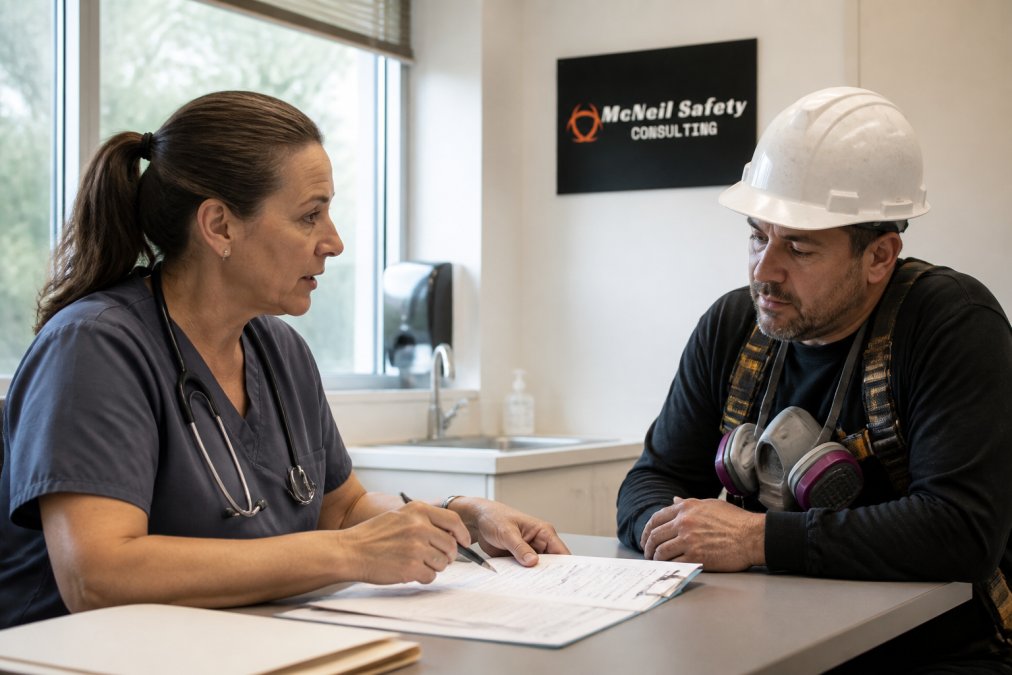
Baseline assessments establish the worker’s health status before significant occupational exposure occurs. This creates a reference point for detecting work-related changes. The initial exam typically includes medical history, physical examination, pulmonary function testing when relevant, and any exposure-specific tests required by applicable standards.
Periodic assessments repeat at intervals specified by the relevant OSHA standard, typically annually for most hazardous exposures. These exams follow the same protocols as baseline assessments, allowing comparison of results over time. The occupational health professional looks for deterioration in lung function, changes in hearing, neurological effects, or other markers specific to the exposures involved.
The timing matters more than most safety managers realize. Scheduling periodic exams at consistent intervals creates comparable data. Sporadic or delayed exams make trend analysis unreliable and can undermine the program’s credibility if health problems emerge.
Biological Monitoring and Exposure Assessment
Biological monitoring measures the amount of hazardous substance or its metabolite in the worker’s body, blood lead levels, urinary cadmium, beryllium lymphocyte proliferation tests, or similar markers depending on the exposure.
These tests reveal whether engineering controls and personal protective equipment are actually preventing absorption. A worker might report proper PPE use, but biological monitoring shows whether that protection is working in practice. This is where the program shifts from theoretical to real.
Exposure assessment determines which workers need which tests. Not every worker in a facility needs lead monitoring, only those whose job tasks create potential for significant lead exposure. Industrial hygiene assessment identifies exposure pathways, estimates exposure levels, and determines which workers fall into which monitoring categories.
Medical Records and Data Management
Medical records must be organized, maintained, and retrievable. OSHA inspection standards require that records be accessible within a reasonable timeframe. Digital systems work better than paper, but only if they’re properly configured and backed up.
Data management goes beyond storage. Tracking trends across your workforce reveals patterns, which jobs create the highest exposure, which workers show the earliest signs of health effects, which controls are working and which aren’t. This information drives improvements to engineering controls and work practices.
Respiratory Protection Medical Evaluation: Requirements and Process
Any worker required to wear a respirator must receive a medical evaluation before initial use, then periodically afterward. This isn’t optional under OSHA’s respiratory protection standard.
The evaluation determines whether the worker can safely wear a respirator given their medical status. Respiratory protective equipment increases breathing resistance and can stress the cardiovascular and pulmonary systems. Workers with certain medical conditions, uncontrolled hypertension, significant cardiac disease, severe asthma, may not be able to tolerate the additional physiological demand.
The process typically involves a questionnaire covering medical history, physical examination focusing on cardiovascular and pulmonary function, and sometimes additional testing like spirometry or stress testing for workers with significant risk factors. The occupational health professional makes a recommendation: cleared to wear the assigned respirator, cleared with restrictions, or not cleared until medical issues are addressed.
This evaluation must occur before the worker first wears a respirator for occupational purposes. Periodic re-evaluation is required, typically annually, and additional evaluations are needed if the worker reports significant health changes or if respiratory protection requirements change.
Hazard-Specific Medical Surveillance: Which Exposures Require Monitoring
Different hazards require different surveillance approaches. A one-size-all program misses critical exposure-specific indicators.
Chemical Exposures and Toxicological Assessment
Chemical exposures create diverse health effects depending on the substance. Lead affects the nervous system and kidneys. Asbestos causes lung scarring and mesothelioma. Beryllium causes chronic beryllium disease. Cadmium damages kidneys and bones. Silica causes silicosis.
Medical surveillance for chemical exposures typically includes baseline and periodic blood or urine testing to measure body burden, pulmonary function testing for substances affecting the lungs, and sometimes imaging studies like chest X-rays for fibrogenic substances.
The occupational health professional must understand the toxicology of substances present in your facility, which organs are affected, what biomarkers indicate exposure, what health effects appear first, and what removal from exposure means for prognosis. This is why occupational health expertise matters more than general medical knowledge.
Physical Hazards and Ergonomic Risk
Physical hazards, noise, vibration, repetitive motion, awkward postures, create musculoskeletal and hearing damage over time.
Noise surveillance typically includes baseline and annual audiometric testing for workers exposed above action levels. The tests measure hearing across different frequencies, allowing early detection of noise-induced hearing loss before it becomes severe enough to cause obvious symptoms.
Ergonomic assessment evaluates job tasks for repetitive motion risk, force requirements, posture demands, and vibration exposure. This drives recommendations for job modifications, equipment changes, or work practice adjustments that reduce risk. Medical surveillance for ergonomic hazards focuses on early detection of musculoskeletal disorders through symptom screening and physical examination.
Biological Hazards in Industrial Settings
Biological hazards, bloodborne pathogens, fungi, bacteria, create infection risk in healthcare, waste handling, and certain manufacturing environments.
Medical surveillance for biological hazards includes baseline serology testing for relevant pathogens, post-exposure testing when incidents occur, and ongoing monitoring for workers with chronic exposure. Vaccination status should be tracked and documented. Post-exposure prophylaxis protocols must be in place and workers must know how to access them.
The occupational health professional must coordinate with infection prevention specialists to ensure protocols align with current guidance. This is where McNeil Safety Consulting’s on-staff licensed nurse, Zennin Sedacey-McNeil, who is an infection preventionist, becomes valuable, someone who understands both occupational health requirements and infection control protocols can design surveillance that actually works.
Implementation Checklist for Medical Surveillance Programs
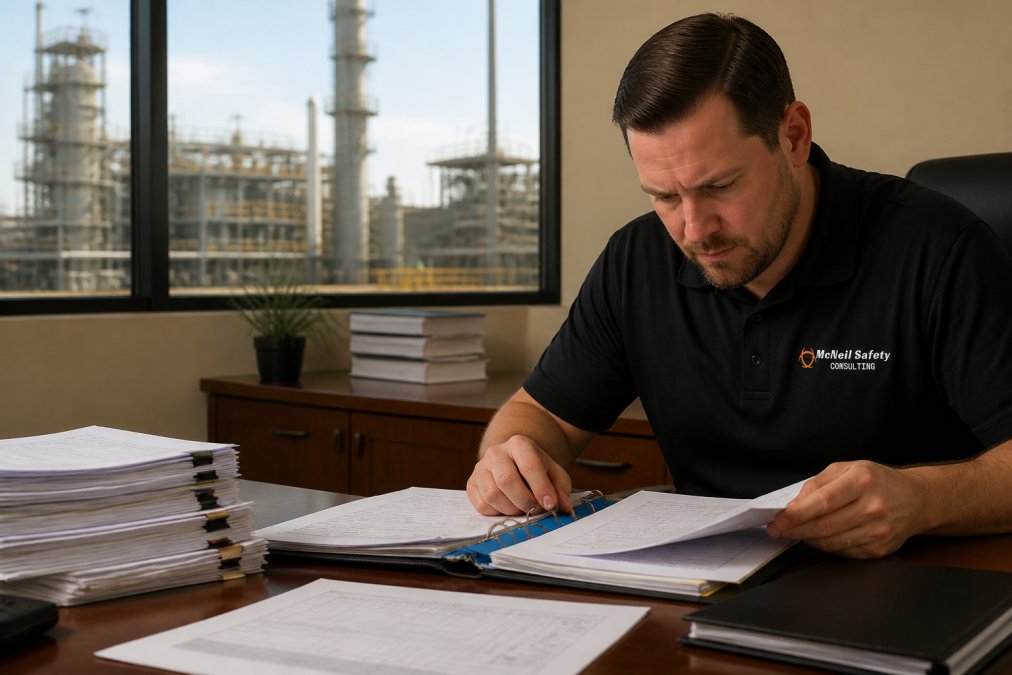
Building a functional program requires systematic planning. Here’s what actually needs to happen.
Step 1: Identify Hazards and Applicable Standards
Conduct a thorough inventory of chemical, physical, and biological hazards present in your facility. Cross-reference each hazard against OSHA standards to determine which medical surveillance requirements apply. Document which worker populations face exposure to each hazard.
Step 2: Establish Baseline Requirements
Determine baseline assessment protocols for each hazard. Specify which tests, exams, and measurements are required. Establish the baseline assessment schedule, when new hires receive initial evaluations and when existing employees who haven’t had baselines get them completed.
Step 3: Define Periodic Evaluation Intervals
OSHA standards specify minimum intervals. Many facilities choose more frequent evaluations for high-exposure workers. Document the interval for each worker category and build a scheduling system to ensure no evaluations are missed.
Step 4: Select Occupational Health Provider
Choose a qualified occupational health professional or clinic experienced with industrial medical surveillance. They need to understand the specific hazards in your facility, the applicable standards, and how to interpret results in occupational context.
Step 5: Establish Data Management System
Create a system for storing medical records securely, tracking results over time, and identifying trends. The system must comply with privacy requirements while allowing authorized access for occupational health decision-making.
Step 6: Develop Communication Protocols
Establish how results are communicated to workers, how recommendations are implemented, and how workers access their own records. Workers have a right to their medical information and must understand what results mean for their health and work assignments.
Step 7: Document Removal Criteria
If any OSHA standard specifies removal from exposure based on medical findings, document the criteria and the process for implementing removal. Removal decisions must be made by the occupational health professional, not by management.
Step 8: Train Supervisors and Workers
Supervisors need to understand why medical surveillance matters and how to support program participation. Workers need to know what to expect, why testing is required, and how to report health concerns.
Step 9: Audit and Update Annually
Review program performance annually. Check that all required evaluations are completed on schedule, that records are complete and accurate, and that recommendations are being implemented. Update protocols as standards change or as your facility’s operations evolve.
Cost-Benefit Reality for Small and Mid-Sized Operations
Small and mid-sized operations often hesitate on medical surveillance programs, assuming the cost is prohibitive. The reality is more nuanced.
The cost of a medical surveillance program depends on factors such as the number of workers, the hazards involved, the frequency of evaluations, and the occupational health provider you select. A facility with minimal hazards and infrequent turnover may incur different costs than one with multiple hazardous exposures and high turnover.
But the benefit calculation matters more than the raw cost. Early detection of occupational disease prevents permanent disability, reduces workers’ compensation claims, and protects the organization from liability. A worker who develops silicosis or chronic beryllium disease faces years of declining health and potentially catastrophic medical costs. Preventing that outcome through early intervention saves far more than the surveillance program costs.
There’s also the compliance angle. OSHA citations for missing medical surveillance programs carry significant penalties. Defending a citation requires demonstrating that the program meets applicable standards. A well-documented program provides that defense.
McNeil Safety Consulting works with facilities of all sizes to design programs that fit their specific hazards and constraints. The goal isn’t maximum testing, it’s appropriate surveillance that catches problems early while remaining operationally feasible.
Conclusion
Medical surveillance for industrial workers isn’t about checking a compliance box. It’s about building a system that actually catches health problems early, when intervention can prevent permanent damage.
The foundation is understanding which OSHA standards apply to your facility, what medical surveillance requirements those standards specify, and what occupational health expertise you need to implement the program effectively. From there, it’s systematic execution: baseline assessments, periodic monitoring, data management, and continuous improvement.
If you’re facing OSHA citations requiring medical surveillance program development, or if you need help designing a program that actually works for your facility’s specific hazards, McNeil Safety Consulting can help. Our team includes occupational health professionals with deep expertise in industrial hygiene, exposure assessment, and regulatory compliance. Contact us to discuss your specific situation and determine the right approach for your operation.
Frequently Asked Questions
What are the OSHA requirements for medical surveillance of industrial workers?
OSHA requires medical surveillance when workers face exposure to hazardous substances or conditions that could affect their health. Requirements vary by hazard type, lead exposure, asbestos, and respiratory hazards each have specific medical surveillance protocols. Employers must provide baseline exams, periodic evaluations, and exit exams at no cost to workers. Medical records must be retained for 30 years after employment ends. The occupational health professional conducting exams must follow OSHA standards for exposure assessment and biological monitoring to ensure early detection of work-related illness.
What are the four main components of a medical surveillance program?
The four core components are: (1) Baseline assessment, initial health screening to establish a worker's pre-exposure health status; (2) Periodic evaluation, scheduled exams to monitor health trends over time; (3) Biological monitoring and exposure assessment, testing to measure workplace chemical or physical exposure levels; (4) Medical records management, systematic documentation and retention of all health data for regulatory compliance and trend analysis. Each component feeds into preventive medicine and risk mitigation strategies specific to industrial hazards present at your facility.
How often should medical surveillance exams be conducted for industrial workers?
Frequency depends on the hazard type and regulatory standard. OSHA lead standards require annual exams once exposure exceeds the action level. Asbestos surveillance typically occurs annually for exposed workers. Respiratory protection medical evaluation must occur before initial assignment and annually thereafter, or more frequently if health changes occur. Baseline exams happen before first exposure. Your occupational health professional will determine the appropriate schedule based on hazard identification, exposure levels, and the specific industrial hygiene standards that apply to your workplace.
Which industrial hazards trigger mandatory medical surveillance?
Chemical exposures (lead, asbestos, cadmium, benzene) require surveillance under specific OSHA standards. Physical hazards like noise exposure triggering audiometric testing, heat stress, and ergonomic injury risk also necessitate monitoring. Biological hazards including bloodborne pathogens and infectious disease exposure require health screening and incident reporting protocols. The type and extent of surveillance depends on the hazard's toxicology, the worker's exposure level, and whether exposure exceeds OSHA action levels. Occupational safety standards identify which hazards at your facility require baseline assessment and long-term health trend monitoring.