Table of Contents
- What Cal/OSHA Compliance Assistance Services Cover
- Cal/OSHA Safety Audit: Assessment and Readiness
- How to Prepare for a Cal/OSHA Inspection
- California Injury and Illness Prevention Program Requirements
- Cal/OSHA Compliance Checklist: Essential Elements
- Citation Defense and 15-Day Response Strategy
- When to Seek Cal/OSHA Compliance Assistance
- Frequently Asked Questions
Last Updated: October 5, 2026
What Cal/OSHA Compliance Assistance Services Cover
Cal/OSHA compliance assistance services help employers navigate California’s occupational safety and health regulations, reduce workplace injuries, and protect against regulatory penalties.
McNeil Safety Consulting provides Cal/OSHA compliance assistance across California and the Western US, including IIPP development, mock inspections, industrial hygiene assessments, and 15-day citation responses
Professional compliance assistance bridges the gap between what you’re doing and what regulators require you to prove. Cal/OSHA inspectors verify written programs, hazard controls, training records, and injury documentation, assessing whether controls actually prevent exposure or merely exist on paper.
The 15-day response window for Cal/OSHA citations is fixed and non-negotiable. Starting your response on day 14 guarantees you’ll miss the deadline. Begin immediately after receiving a citation, even if you’re still gathering information.
Mock inspections expose gaps in safety documentation, training records, and hazard controls before regulators arrive, creating a roadmap for corrective actions based on real vulnerabilities.
Cal/OSHA Safety Audit: Assessment and Readiness
A Cal/OSHA safety audit is a comprehensive evaluation of your workplace safety program, hazard controls, and regulatory compliance status. The audit identifies gaps between current practices and Cal/OSHA requirements, then prioritizes corrective actions based on risk and regulatory significance.
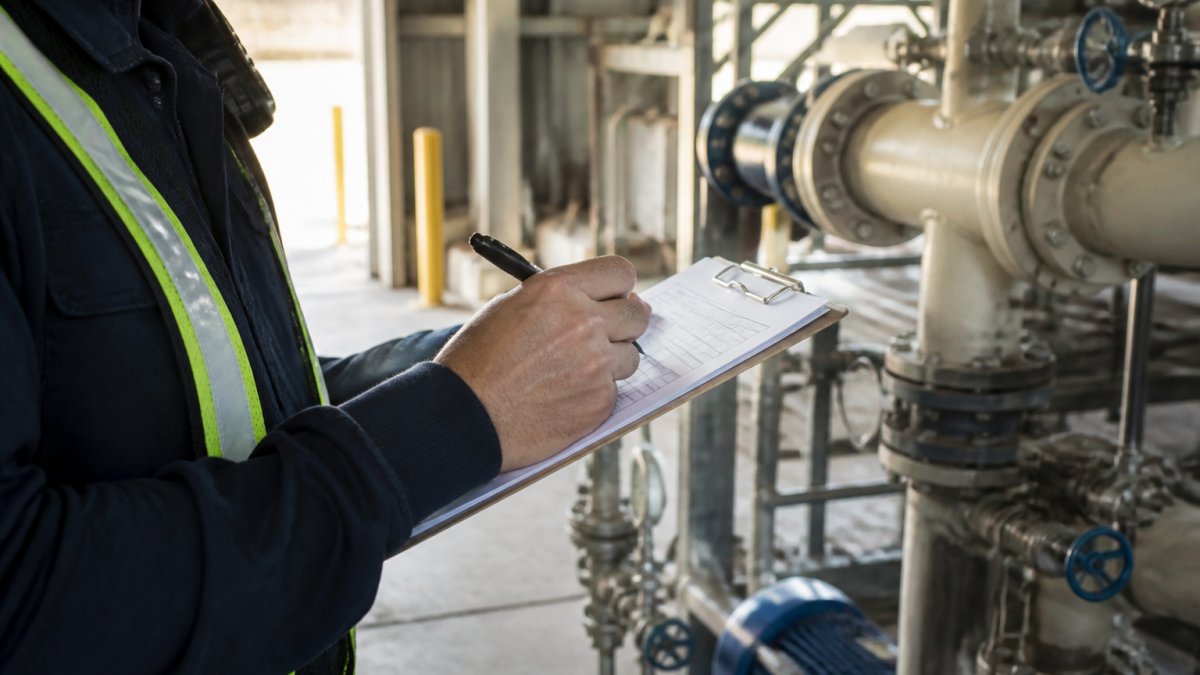
The audit begins with document review of your IIPP, training records, injury logs, and hazard assessments, followed by facility observation to identify gaps between documentation and actual practices, a common regulatory focus.
Safety audits expose compliance gaps before inspection and create a defensible record of reasonable hazard identification and control efforts.
Audit reports categorize findings by severity with specific corrective actions for each.
The most valuable audit finding is not what you’re doing wrong, it’s the gap between what your written program says and what workers actually do. That gap is where regulators focus enforcement.
Effective audits benchmark your program against industry standards, helping you understand whether your approach is reasonable or needs strengthening.
How to Prepare for a Cal/OSHA Inspection
Preparation for a Cal/OSHA inspection begins long before an inspector arrives. The goal is to demonstrate that your company takes safety seriously, maintains required documentation, and has implemented hazard controls that match your written program.
Review your IIPP to ensure it covers workplace-specific hazards, is dated and signed by management, and reviewed annually. Inspectors verify employees can describe key elements, a common failure is having a program nobody knows about.
Audit training records for hazard-specific topics: hazard communication, confined space entry, fall protection, bloodborne pathogens, and others. Records must include date, trainer, attendees, and topics. Inspectors verify employees can describe their training.
Maintain the OSHA 300 Log with proper injury classification, posting, and current records. Common errors include misclassification and delayed updates.
Conduct a mock inspection: check for hazards, verify equipment guarding, confirm procedures are posted, and observe employee compliance. This step often reveals gaps obvious to a trained eye.
Prepare a brief opening statement acknowledging your safety commitment and describing your program. Avoid defensiveness; let your documentation speak.
Do not alter records, remove equipment, or change conditions before an inspection. Tampering with evidence is itself a violation and can result in additional penalties. If you discover a hazard, correct it and document the correction, but do not hide it.
Designate an employee representative to accompany the inspector. Brief them on expectations and ensure they understand your safety program.
California Injury and Illness Prevention Program Requirements
An Injury and Illness Prevention Program (IIPP) is California’s foundational safety requirement. Every employer must have a written, dated IIPP addressing workplace-specific hazards, reviewed annually or when workplace changes occur.
The IIPP has five core elements: (1) management commitment with specific responsible parties; (2) hazard identification through inspections, investigations, and employee feedback; (3) corrective action procedures with responsibility and timelines; (4) employee training and documentation; (5) communication and hazard reporting systems.
Review and update your IIPP annually and whenever workplace changes occur. Proactive updates demonstrate management commitment and strengthen your program.
Your IIPP should be specific to your workplace, not a generic template. If your facility operates a warehouse, your hazard identification section should address warehouse-specific hazards: forklift operation, stacking heights, aisle congestion, and ergonomic strain. A generic program that lists hazards without connection to your actual operations signals to an inspector that the program is a compliance checkbox, not a living document.
The most common IIPP failure is a document that exists but isn’t integrated into daily operations. Employees should be able to describe the program’s key elements and understand how it applies to their work.
An effective IIPP also includes a process for investigating incidents. When an injury or near-miss occurs, your program should require documentation of what happened, what conditions contributed, and what corrective actions prevent recurrence. This investigation process demonstrates that you use incidents as learning opportunities, not just events to report.
Cal/OSHA Compliance Checklist: Essential Elements
A compliance checklist helps you verify that your safety program covers the regulatory requirements Cal/OSHA will evaluate. Use this checklist to assess your current state and identify priorities for improvement.
| Element | Status | Priority | Notes |
|---|---|---|---|
| Written IIPP in place, dated, signed | ☐ | High | Review annually |
| Hazard identification process documented | ☐ | High | Inspections, investigations, feedback |
| Corrective action procedures defined | ☐ | High | Responsibility, timeline, tracking |
| Employee training records complete | ☐ | High | Date, trainer, topic, attendees |
| Injury and illness records current | ☐ | High | OSHA 300 Log posted and maintained |
| Safety procedures posted and visible | ☐ | Medium | Specific to your hazards |
| Emergency response plan documented | ☐ | High | Evacuation, medical response, communication |
| Hazard communication program in place | ☐ | Medium | Labels, Safety Data Sheets, training |
| Equipment maintenance schedule current | ☐ | Medium | Guards, emergency stops, inspections |
| Personal protective equipment available | ☐ | Medium | Fit testing, training, storage |
| Incident investigation process defined | ☐ | High | Root cause analysis, corrective actions |
| Safety communication system active | ☐ | Medium | Meetings, toolbox talks, postings |
Work through this checklist systematically. For each element marked incomplete, define what’s missing and assign responsibility for completion. Set realistic timelines, a small business may need 30 days to gather training records; a larger facility might need 60 days to update all documentation.
The checklist is not a substitute for a professional audit, but it’s a useful starting point if you’re assessing your program internally. Where you identify significant gaps, professional compliance assistance becomes valuable, an external perspective often catches issues that internal teams overlook because they’re accustomed to current practices.
Citation Defense and 15-Day Response Strategy
When Cal/OSHA issues a citation, you have 15 days to respond. This narrow window is where professional compliance assistance becomes critical. A well-prepared response can reduce penalties, challenge inappropriate classifications, or establish a foundation for successful appeals.
The citation will specify the alleged violation, the regulatory standard, and the proposed penalty. Your response must address each violation directly.
Accepting the violation means paying the penalty and implementing corrective actions. This approach makes sense when the violation is clear, your corrective actions are straightforward, and the penalty is within your budget.
Requesting an informal conference is often the better first step. An informal conference allows you to present evidence that the violation doesn’t apply to your workplace, that your corrective actions are adequate, or that the penalty should be reduced.
Contesting the citation through appeals is appropriate when you believe the violation is unfounded or the penalty is excessive. Appeals require detailed documentation, expert testimony, and often representation by experienced counsel.
Missing the 15-day response deadline is irreversible. Your citation becomes final, the penalty becomes due, and you lose all opportunity to challenge it. If you receive a citation on a Friday, your deadline is 15 calendar days from receipt, not 15 business days.
A strong 15-day response includes several elements. First, a detailed factual description of your workplace conditions and practices. Second, evidence that your hazard controls meet or exceed the cited standard. Third, documentation of corrective actions already taken. Fourth, expert analysis if the violation involves technical interpretation. Fifth, a proposed penalty reduction if applicable.
When to seek professional representation depends on the violation’s severity and your confidence in the evidence. Serious violations with high penalties warrant professional assistance. Other-than-serious violations with modest penalties may not justify the cost of representation.
When to Seek Cal/OSHA Compliance Assistance
You should seek Cal/OSHA compliance assistance when you’re facing regulatory pressure, planning major changes, or want to reduce your risk of violations.
If you’ve received a citation, professional assistance during the 15-day response window is critical. The response determines whether you accept the violation, negotiate a reduction, or contest it.
If you’re a small business without a dedicated safety manager, compliance assistance helps you build a program that meets regulatory requirements without overwhelming your resources.
If you operate in a high-hazard industry, construction, manufacturing, healthcare, chemical handling, compliance assistance is a business necessity. These industries face higher inspection rates and more complex regulatory requirements.
If you’re concerned about your injury rate, compliance assistance can identify hazards and controls that reduce incidents. A workplace with fewer injuries has lower workers’ compensation costs, better employee retention, and reduced regulatory scrutiny.
The best time to seek compliance assistance is before you face a crisis. A proactive audit costs less than a reactive response to a citation, and it gives you time to correct gaps without regulatory pressure.
McNeil Safety Consulting handles Cal/OSHA compliance assistance across California and the Western US. We conduct safety audits, prepare citation responses, develop safety programs, and provide industrial hygiene assessment. Every engagement is handled personally by the two principals, never subcontracted, ensuring continuity and accountability from start to finish.
Cal/OSHA compliance is not a one-time project. Your safety program must evolve as your workplace changes, regulations update, and you learn from incidents. We provide expert guidance on Cal/OSHA requirements, industrial hygiene assessment, and citation defense tailored to your specific workplace and regulatory situation.
Frequently Asked Questions
What does a Cal/OSHA compliance assistance service actually do?
Cal/OSHA compliance assistance services help employers meet workplace safety and health standards set by California’s Division of Occupational Safety and Health. Services include conducting safety audits, developing injury and illness prevention programs, performing industrial hygiene assessments, preparing for regulatory inspections, and defending against citations. The goal is to identify workplace hazards, correct compliance gaps, and protect both employees and business operations from regulatory penalties and injuries.
How do I know if my business needs a Cal/OSHA compliance audit?
Most employers benefit from a professional Cal/OSHA safety audit, especially if you operate in construction, manufacturing, healthcare, or hazardous materials handling. Signs you need one include recent workplace injuries, pending Cal/OSHA citations, employee complaints about safety, uncertainty about hazard controls, or lack of current safety documentation. A compliance audit identifies gaps between your current practices and regulatory requirements before an inspection occurs.
What should a California Injury and Illness Prevention Program include?
A compliant IIPP must contain written policies addressing hazard identification, hazard assessment, corrective action procedures, training records, employee reporting mechanisms, and documentation of safety procedures specific to your workplace. It should identify workplace hazards, assign responsibility for implementation, establish procedures for correcting unsafe conditions, and provide training to all employees. Cal/OSHA requires employers to maintain records proving the program is active and effective.
Can you help with a citation response within the 15-day deadline?
Yes. Citation defense requires rapid response to meet Cal/OSHA’s 15-day deadline for filing a notice of contest or abatement plan. Experienced compliance assistance providers can review the citation, evaluate the violations cited, develop a defensible response strategy, and prepare documentation supporting your position within that window. Speed and expertise are critical, missing the deadline eliminates your right to appeal.
What is the difference between Cal/OSHA and federal OSHA compliance?
California has its own occupational safety and health program (Cal/OSHA) that is often stricter than federal OSHA standards. Cal/OSHA can impose higher penalties, enforce additional requirements, and maintain separate recordkeeping rules. For example, Cal/OSHA requires employers to report serious injuries within 8 hours, while federal OSHA allows 24 hours. Employers in California must comply with Cal/OSHA standards, which typically supersede federal requirements.
How often should we conduct a Cal/OSHA safety audit?
Annual audits are recommended for most employers, though frequency depends on your industry, past citation history, and workplace changes. High-hazard industries like construction or chemical manufacturing may benefit from semi-annual or quarterly reviews. After a citation or serious incident, conduct an immediate audit to identify root causes and prevent recurrence. Regular audits demonstrate due diligence to regulators and protect your compliance status.
What does industrial hygiene monitoring include in a compliance program?
Industrial hygiene monitoring assesses employee exposure to workplace hazards such as chemicals, dust, noise, or biological agents. It includes air sampling, exposure assessment, hazard identification, control recommendations, and medical surveillance coordination. Monitoring helps ensure engineering controls and personal protective equipment are effective and employees receive appropriate health monitoring. Documentation of these efforts is essential for Cal/OSHA compliance and worker protection.